Kioz Storage · Phase 2: Store
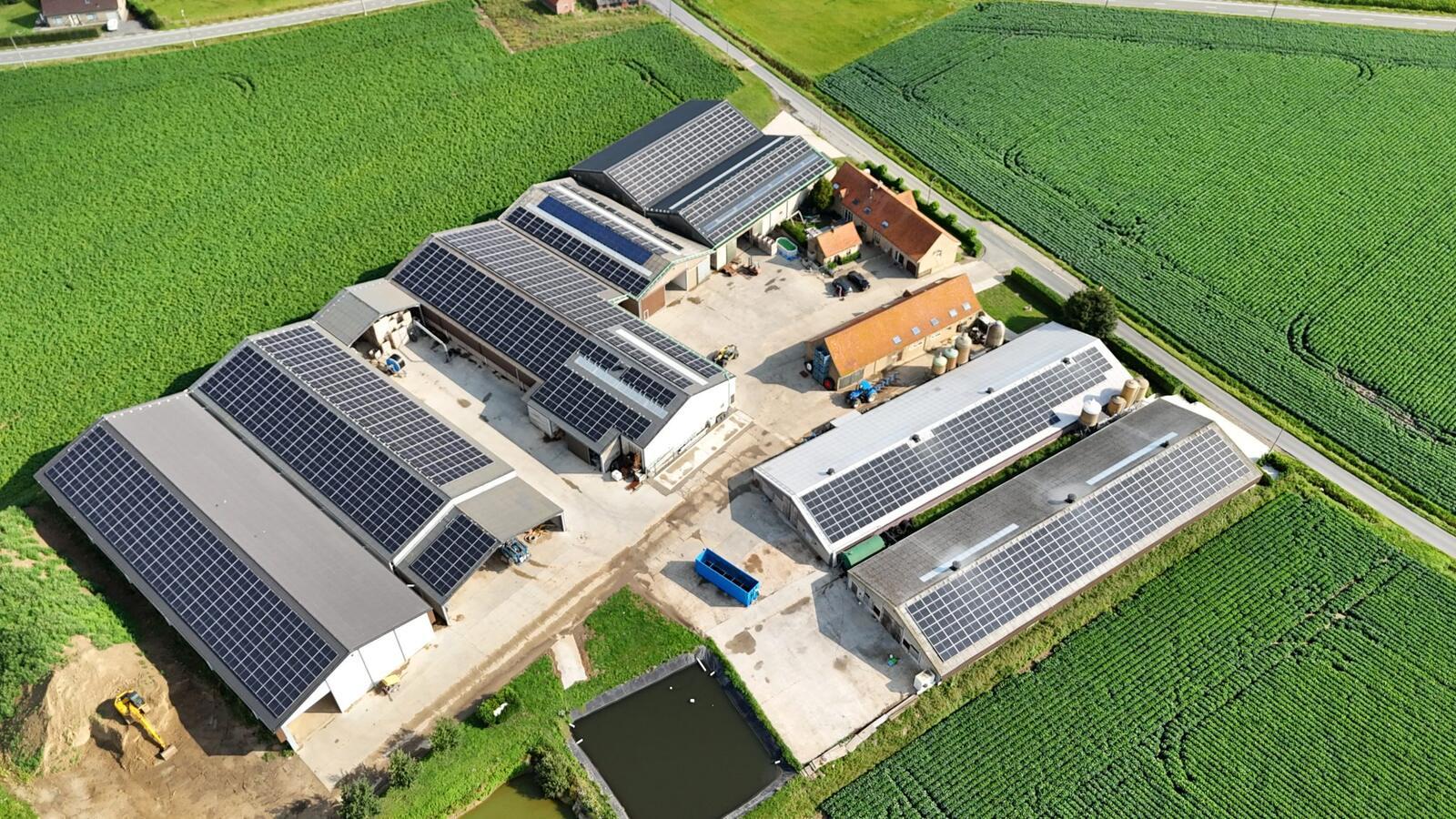
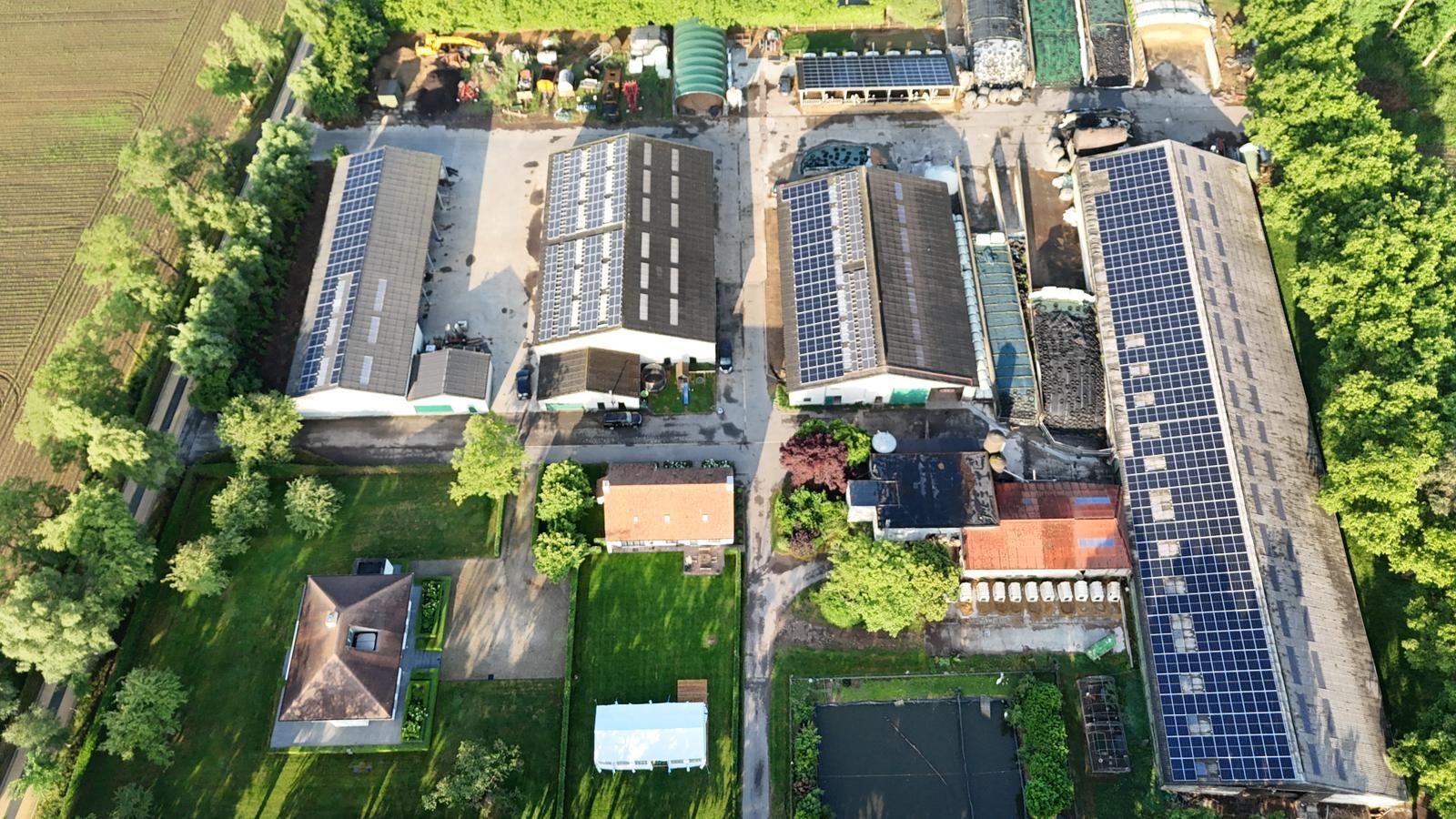
Already have solar panels or a wind turbine?
You produce plenty of green energy, but what happens to your surplus? Kioz stores everything on site and turns every excess kWh into electricity, heat and green hydrogen, right where it is generated, so nothing goes to waste.
Electric
Battery, non-flammable, 30,000+ cycles
Heat
Thermal water battery, only 1% heat loss per 24h
Hydrogen
Long-term electricity storage, a replacement for oil and gas
Heat recovery: 90%+ total efficiency
Waste heat from the electrolyser and fuel cell feeds the thermal battery, and Kioz AI steers this continuously.
Three ways to store energy. One system.
Three technologies, each with a different role, both in time and in application; hydrogen storage also has a second role: it is not just the longest-term storage, it is also a way to directly replace fossil fuel, in mobility, heat and industrial processes.
Electric
- Technology
- Battery
- Time horizon and role
- Hours, daily cycles
Heat
- Technology
- Thermal battery (water)
- Time horizon and role
- Hours to days
Hydrogen
- Technology
- H₂ storage
- Time horizon and role
- Weeks to months, and a fossil replacement (mobility, heat, industry)
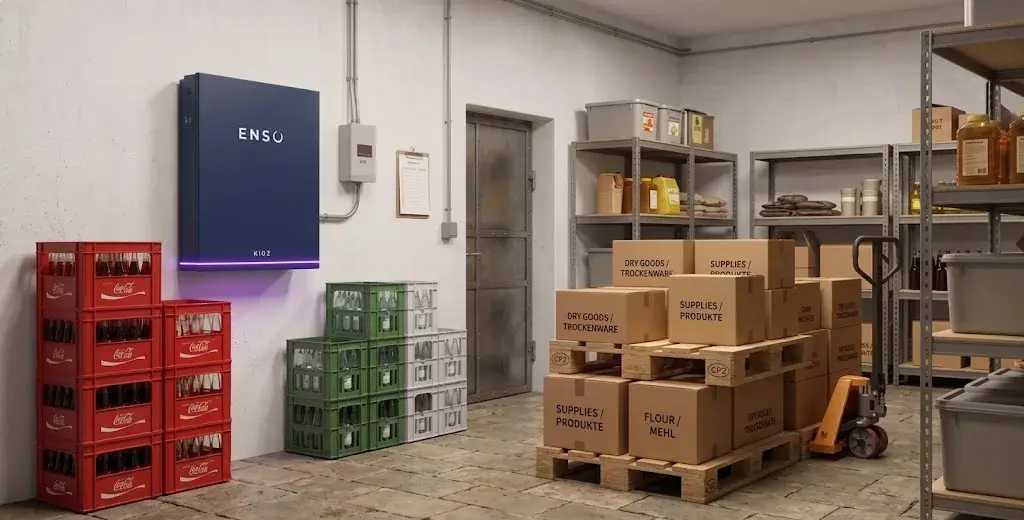
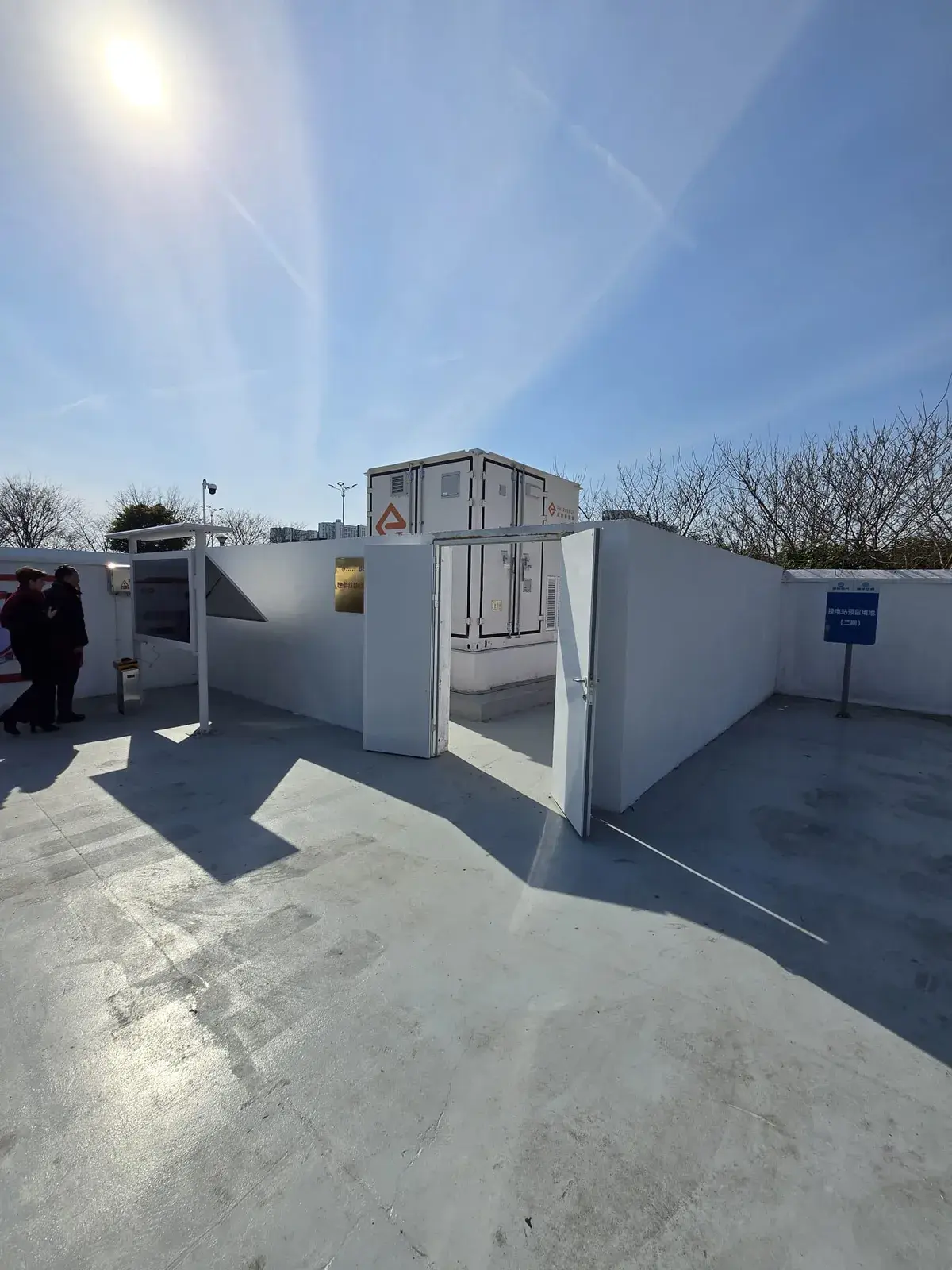
Electric storage, unique battery technology
Many batteries lose a large part of their capacity within a few years, and they are far from the safest choice. Kioz offers unique battery technologies, because your safety comes first. Our batteries do not heat up, they cannot go into thermal runaway, and they last more than 20 years, as long as your solar panels. So you can rest easy for decades, and the cost of storing your energy drops sharply.
 Enso
Enso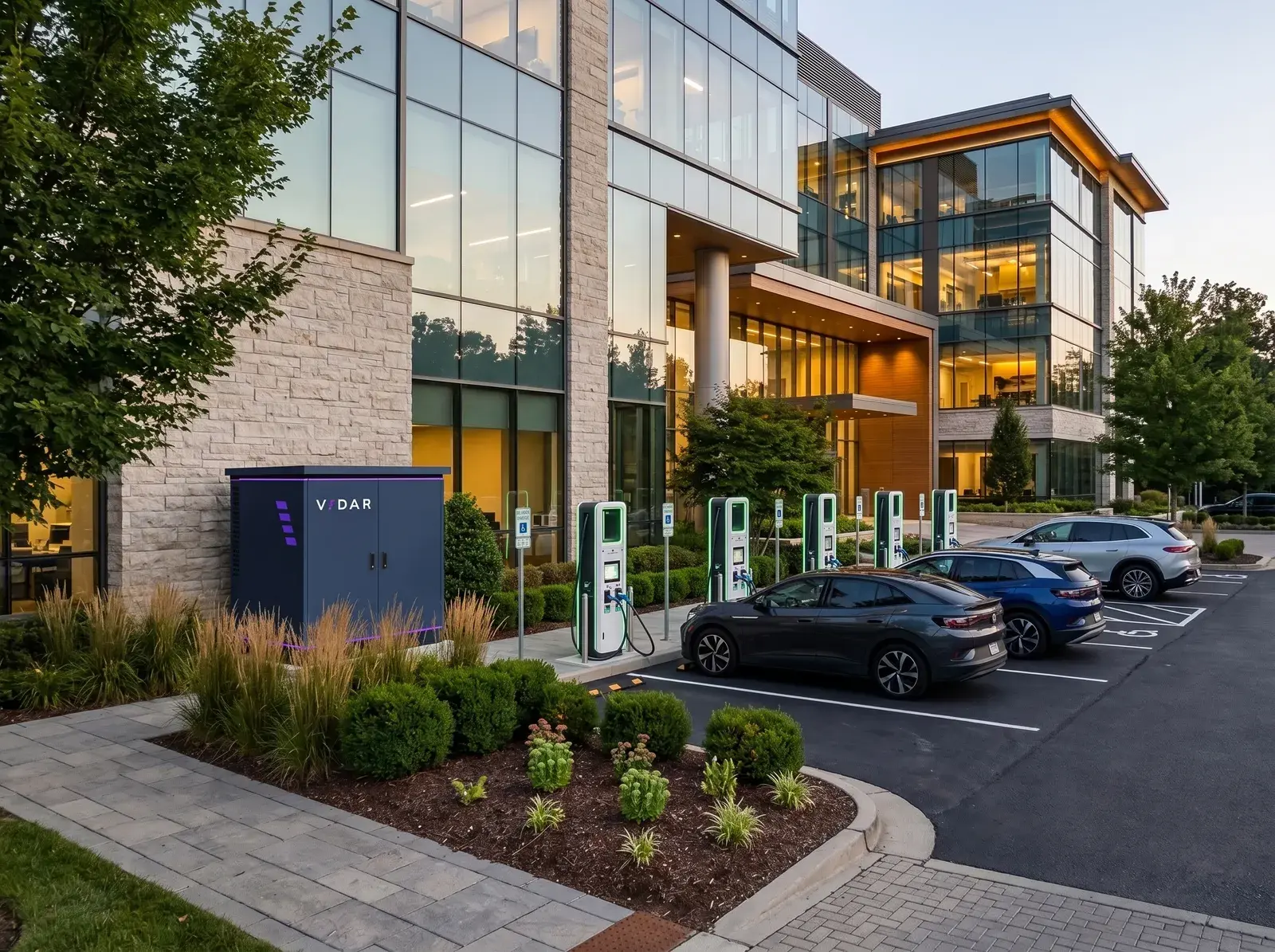
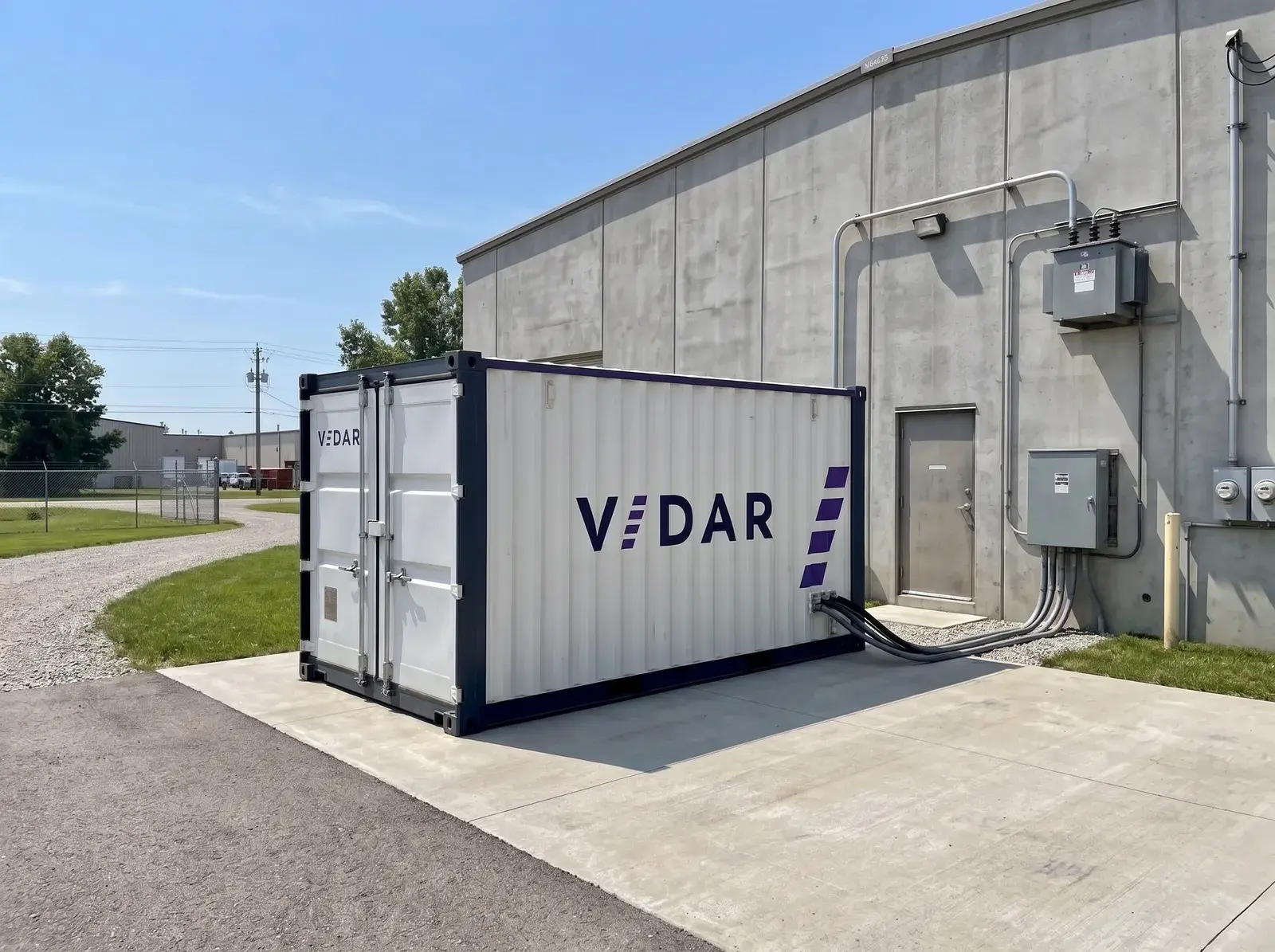
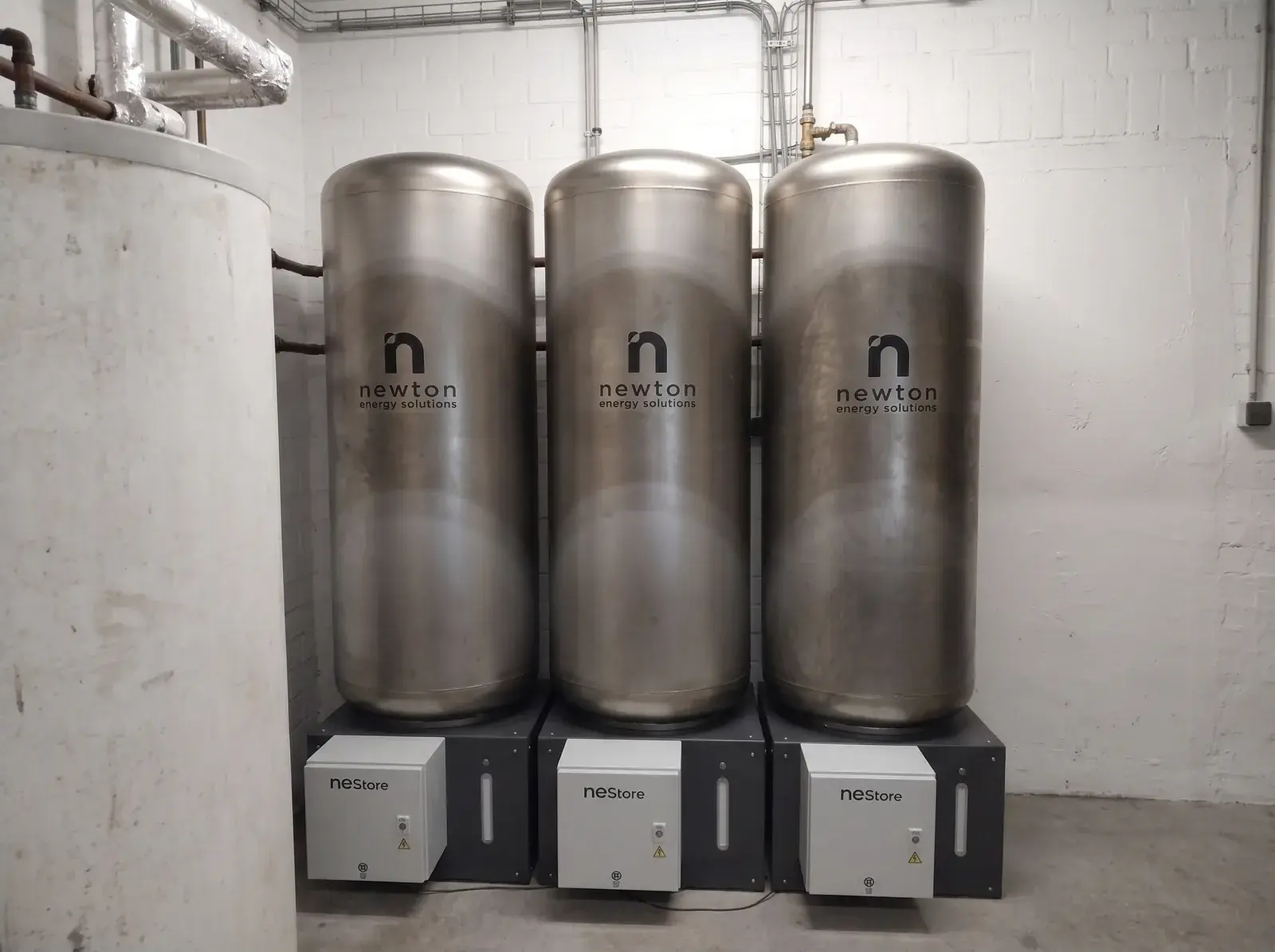
Heat storage, the water battery
Hot water is a large, constant energy load, and demand peaks exactly when the sun is not shining. Standard boilers lose 20 to 40% of their heat per day to standby loss. The Kioz thermal battery loses only 1% per 24 hours, up to 110°C, so this afternoon’s heat is still there this evening.
- 8x more storage capacity than a classic boiler
- Only 1% heat loss per 24h, up to 110°C
- More than 30 years of lifespan, minimal maintenance
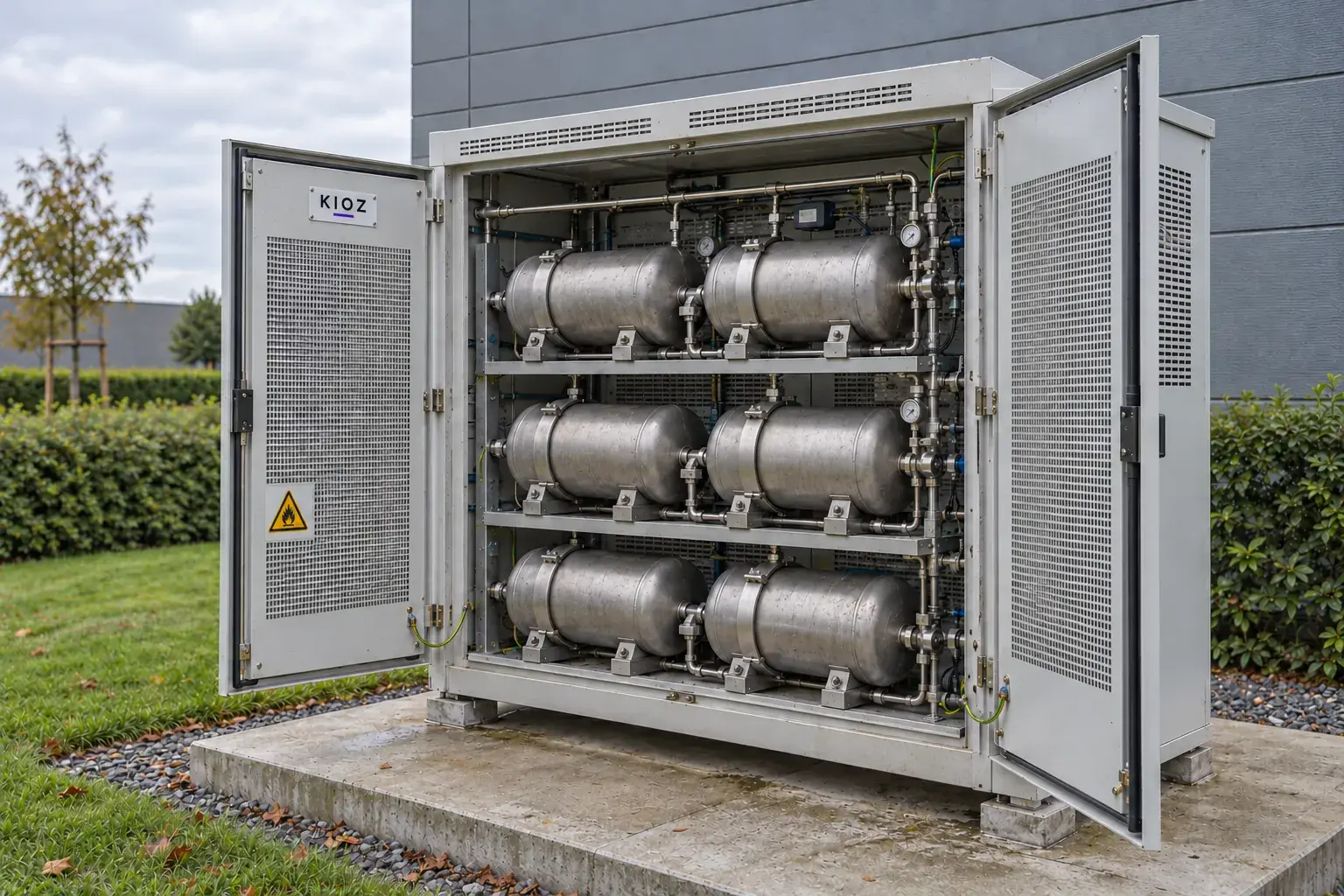
Hydrogen, stored as a solid
Solar panels generate up to 15 times more in summer than in winter, while energy demand in winter is 2 to 3 times higher. Storing hydrogen as compressed gas or as a liquid at extremely low temperatures is complex and expensive. Kioz therefore stores hydrogen as a solid, in metal-hydride cylinders at low pressure, safer and more compact than high-pressure tanks. That makes it possible to shift energy not just from day to night, but from summer to winter.
More information soon.
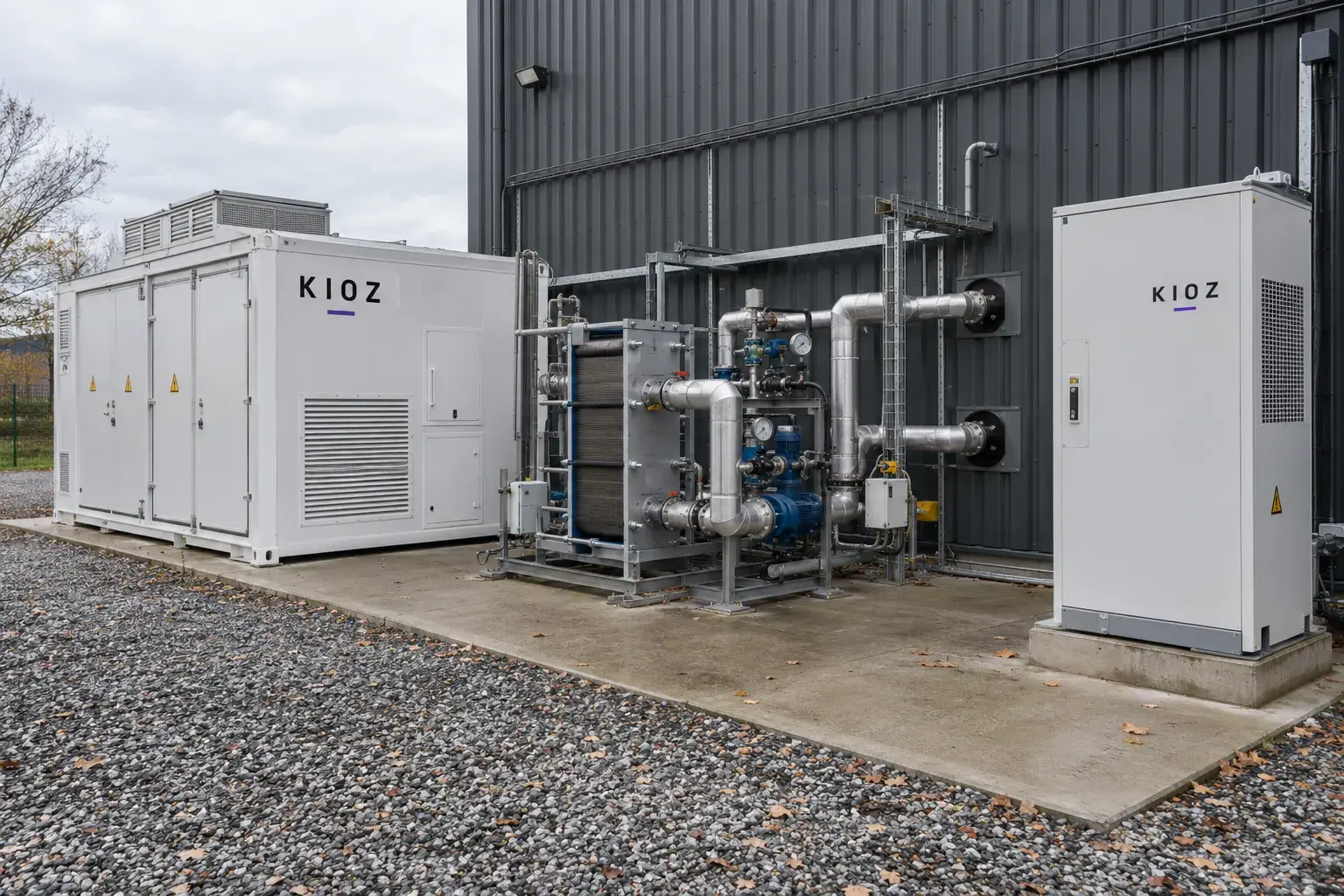
Heat recovery, the layer that ties it all together
Both the electrolyser and the fuel cell produce heat as a byproduct, heat that a classic installation simply loses. Kioz captures that waste heat and routes it to the thermal battery, so nothing is thrown away. That is exactly where the fuel cell’s 90%+ total efficiency comes from: not just the electricity, but the accompanying heat too is fully used.
This is what turns the three storage techniques into one system instead of three separate technologies side by side: the electrolyser and fuel cell belong to ‘hydrogen’, but their waste heat feeds the ‘heat’ battery.
The smart energy brain: Kioz AI
The Kioz AI system is the central control of your energy installation. Kioz decides in real time where your generated solar energy is best deployed at any given moment: straight to your electricity use, to charging your battery, to heating water, or into hydrogen storage. That way every kilowatt-hour is put to optimal use.
Request a Kioz Tech analysis for your overcapacity
Based on your current installation, we calculate how much surplus you are throwing away today, and what converting it would earn you.
Tell us what you are running into today. Then we already know what to look at before the conversation.
Frequently asked questions
Who is Kioz Storage for?
For companies that already have solar panels or a wind turbine, but notice they generate more than they use on sunny or windy days, and just too little at night or in winter. Kioz Storage captures that surplus instead of losing it.
Why is 100% electrification not a complete solution?
Only 20% of business energy use is electricity. The remaining 80% is molecules (gas, diesel for heat and transport). Electrifying everything simply trades fossil dependency for grid dependency, and we are already hitting the limits of that today.
How much energy does it take to make 1 kg of hydrogen?
Producing 1 kg of hydrogen via water electrolysis takes, in practice, an average of 50 to 55 kWh of electricity.
How long can you store energy as hydrogen?
Unlike batteries, hydrogen storage does not degrade. You can store your energy without loss for as long as you need it.
Is hydrogen storage safe on my site?
Kioz stores hydrogen as a solid in metal-hydride cylinders, at low pressure, not as compressed gas. That also makes the permitting process simpler.
What if my roof does not generate enough energy in winter?
Then you draw on your own hydrogen reserve, built up from summer surplus. If that runs out, Kioz tops it up with additional green hydrogen at a fixed, low price, independent of the fossil market.